Max Wiethe:
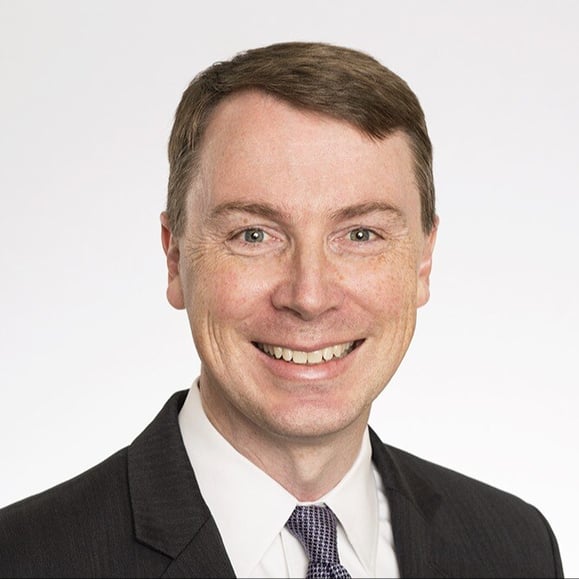
Welcome to other people's money. I am joined today by Derek Palecki. He's portfolio manager of Gator Capital, a Florida based fund manager, which runs both a hedge fund and a mutual fund. They have firm-wide assets of over 300 million and their hedge fund has outperformed the s and p 500 and their financials benchmark handily since inception with a compounded return of approximately 22% since their inception in 2008. Derek, I'm very excited to speak with you today. Thank you for joining me.
Derek Pilecki:
Hey Max, good to see you. Thanks for having me on the show.
Max Wiethe:
It's always interesting when people have a publicly available vehicle and a private fund, especially when the strategies overlap. I think there's such a strong belief that if you have a public fund, it's going to eat into the private fund and obviously I think people listening to the show are familiar that hedge funds are able to charge a performance fee and being able to get compensated for your performance, especially when it's as strong as yours can be quite lucrative and you just don't quite have that with the mutual fund. So I want to start out with that question just why do you have both a mutual fund and a hedge fund and do you believe that that cannibalization risk that people think about is incorrect?
Derek Pilecki:
That's a good question. I think of it more as access. I think there's some people who don't qualify for the hedge fund that need a mutual fund vehicle because they don't meet the accredited investor requirements. And then I think some registered investment advisors who use our funds appreciate having two different vehicles because they, while they're larger, clients can invest in the hedge fund. A lot of times they have family accounts or smaller accounts that don't meet the minimums and can invest in the mutual fund so they can get exposure, consistent exposure across multiple clients. I think about cannibalization some too. I think it's accessing different universes of investors to some extent. So I've been comfortable with that.
Max Wiethe:
And are the strategies one-to-one, are you running through a centralized order management system for both funds?
Derek Pilecki:
Yeah, we block trade when we transact in the same stock in the same day, we do block trades and allocate across both funds. That's the biggest compliance risk at the firm. One, the hedge fund has the incentive fee and the mutual fund does not, so there's a conflict of interest. You want to allocate trades to the hedge fund, so we do that. Everybody gets the same price. The two strategies are overlapping, but they're not identical, so there's less leverage in the mutual fund, you're just limited about how much gross exposure you can use. So in the hedge fund we run close to 200% gross. In the mutual fund we run about 130 gross, so the nets are the same both around 60, but there's just more exposure in the hedge fund. And when I look at the difference in returns, of course there's higher volatility in the hedge fund because of the higher grosses, but the higher leverage also overwhelms the incentive fee. So in up markets it looks like the hedge fund, you're just talking to historical results. It looks like the hedge fund outperforms in up markets and the mutual fund has so far outperformed in down markets, and that's because of the lower leverage. There's also more positions in the mutual fund and we don't let position sizes get as big and the hedge fund will let positions get as big as 10%. In the mutual fund, we try to limit to 5%. So there's more positions, lower position sizes, lower grosses.
Max Wiethe:
Have you had institutional investors take a look at both people who do not have that access problem and say, yeah, just give me the low fee. That's what I want. I can borrow money and lever it myself.
Derek Pilecki:
We definitely have so and a lot of people think there's some secret sauce to the hedge fund. I tell 'em it's this very similar portfolio. These are a difference in some sophisticated people have said, okay, I'm just going to pay the lower fee.
Max Wiethe:
If anybody has seen your track record, 2009 was a pretty substantial year for you. An outperformance obviously when you take a since inception track record, when you have a big lumpy year like that, it really helps. It really helps to have that. What do people think about that? It is common, especially for smaller hedge funds to have a lot of strong performance early weighted. With that being said, I have it in front of me right here. You've done extremely well in the last three years as you've really scaled up in size two, so it doesn't seem to have been
Derek Pilecki:
A huge hindrance. The more sophisticated investors will do their own calculation and start my performance in 2010 and just X out 2009 say It was unusual. It was a small amount of money. I think if you do the returns since 2010, there's still a trend, but certainly 2009 was just an unusual set of circumstances only doing financials. I was well positioned to early in 2009 and then caught the bottom near perfectly, so there was a lot to do. There was a lot of stocks that moved a long way and so just was able to figure out ways to make a lot of money if we were sitting next to each other. You might not have agreed with every trade I did during that time, but you would've never said, Hey, he's risking the whole fund. There were no options used. I used a lot lower leverage than I run with now. B of A moved from two to above 10, their stocks moved a ton.
Max Wiethe:
That's really interesting because you do run a strategy that is specific to a sector and it's very different than people who have a generalist mandate who can say, Hey, it's hot in AI right now. Let's go jump on that trend and invest in semiconductors or some of these nuclear energy plays that have turned into memes. As somebody who has ring-fenced themself to the financial sector, how do you keep your sanity in markets like this where people just don't really seem to be paying attention to your corner of the market?
Derek Pilecki:
I would say they were definitely paying attention to my corner of the market in a negative way this week. Right. The regional banks have really sold off hard here and people are coming up with very interesting stories about credit deterioration. So I think financial, I have developed this expertise in financials. I worked at Fannie Mae, the mortgage company, doing interest rate risk analysis before I moved to the buy side and did equity research. I just have this affinity and this historical personal experience of having worked at a big financial institution. So I've been covering the sector for 25 years, just have this expertise that I feel like I've been able to extract some value by running a long short portfolio. I haven't really ever been concerned about keeping up with tech. The big tech companies are great businesses. I don't invest in them, but just from the outside, what great moats, they have great cashflow businesses and just great growth within financials.
I think there's some very good businesses. Some asset managers are very good businesses. The exchanges, the processors, there's some select insurance and banks that are good, but the generic insurance company or the generic bank is pretty run of the mill commodity type business. So it's picking the spots within financials of good businesses and then the good banks, the good insurance companies, and then maybe a couple of cyclical trades when things are looking good for those industries. I've been able to put up what I think are interested in returns and I think about the benchmark of, for me to do this, I need to beat the spy just from personally, I have all my money and my fund, so if I'm not beating the spy, what am I doing? And when I look back at over the past a hundred years, the SP has returned 10% a year since I've been interested in investing the S spies to 11%, so that 10 or 11% is what I think of as I need to be able to beat that on a consistent basis to justify being in business.
I think the financial sector is a little less competitive than other sectors of the market as far as from the buy side. The financial crisis was 17 years ago, but for a lot of investors it still burns in their memory. These are pretty iconic events that happened and I think there's a lot of investors who are just like, I don't need to invest in financials. They blow up every 20 years, and I understand that there's asymmetric risk in a lot of these portfolios, and so I think you can do well just ignoring financials and I think a lot of investors do, but that leaves the playing field open for those of us whose focus on it, and I think I have some peers who also are generating Alpha, just doing long short financials. There's 200 tech long short funds and there's 25 financial long short funds and then layer in every generalist probably does tech also, but a lot of them ignore financials. There's fewer people involved in the space and so that when opportunities present themselves, they're not there for an afternoon. They're there for a few weeks or a few months and you can build a position and you don't have to rush your analysis.
Max Wiethe:
You alluded to some of the recent, maybe we could call it panic going on right now with the, I guess we'll call it a credit event. Do you think that that lack of focus leads to overemphasis on these types of events or do you think people freak out for good reason when these types of things occur?
Derek Pilecki:
That's a good question. I think there's some PTSD from recent events like Silicon Valley First Republic, the financial crisis that they're scary opaque institutions and you can come up with a very scary story, very easily, very scary narrative. And so take Western Alliance, it was down 11% yesterday. They had come out and said they're going to take no loss from this issue. They've been aware of it since March. They're reiterating Q2 guidance and the stock was still down 11%. People were waiting for the next shoe to fall. We've all seen the huge growth in private credit CLO machines been humming, so it's very easy to create these stories that things are really bad and people are in the mode of just get me out. I don't need to, I owned regional banks because the yield curve was coming down and this credit story's messing up my thesis, just get me out.
I don't care. It's a small percentage of my portfolio and I totally understand that and maybe I have to be open-minded and maybe I'm wrong, maybe there are more credit issues coming. I think these issues are fraud related and not economy related. The estimates for GDP and Q3 are pretty strong. I think the economy's in pretty good shape. Yeah, employment's slowing down. Tariffs are going to be a drag on the economy, but I think credit quality is going to be pretty good. A lot of other banks are saying credit quality's fine. I think of these episodes as potential buying opportunities, but at the same time I have to keep an open mind just to make sure that I'm not being, and things are different this time.
Max Wiethe:
You alluded to, I owned regional banks because the yield curve was coming down. I think people view financials often as sort of a blunt instrument to express a macro view. To what degree do you use them to express macro views versus more bottom up individual stock picking or cyclical maybe basket sort of style trades?
Derek Pilecki:
I own more regional banks than I have historically right now, from a period of 2014 to 2018, I didn't own regional banks. I thought they were expensive and I was probably net short small midcap regional banks. After COVID, they got crushed and I started buying them in a bigger way and then as they recovered from COVID, after the vaccines came out, lightened up on them and then with Silicon Valley gave me another opportunity to load up on them. And so I've owned them in size since the Silicon Valley episode. I think they're cheap. Usually they trade 10 to 14 times. I own a bunch of regional banks that traded eight times with the rate cuts that are coming, it should be a tailwind to their margin expansion. They also have ongoing repricing opportunities and then with deregulation and m and a, so I think the valuations can get back up to a normal range.
I'll use that as a way to lighten up on them. So the rate cuts are all part of that expecting The valuations go from eight times to 10 to 14 times. I think some very well run regional banks that they grow tangible book value, they earn high returns on equity, they have organic loan growth. I think there's a lot of regional banks that only grow through acquisition. The CEO doesn't own a lot of stock. He just cares about the size of the bank and not the returns the shareholders. So I think there's some banks that are untouchable and then I think there's a few banks that are very well run, and so those are more permanent holdings. I own more banks than just those permanent holdings right now.
Max Wiethe:
Okay. So it sounds like you do a mix, you are looking at things on an individual level, but sometimes you do recognize that there is a macro
Derek Pilecki:
Tailwind service. Correct.
Max Wiethe:
It's funny, and this is maybe some EC data that you don't have down in Florida, but I was watching the local New York news one the other day and they had the CEO of maspeth Federal Savings Bank on because they're opening their first branch in 25 years. So community banks are getting news coverage on the local news for their expansion. So I don't know if that's a top signal or if it's validating your thesis, but I had
Derek Pilecki:
To take a photo of it. Branches are interesting. Branch traffic's been down every year since 2010. As we all bank online, we don't go into branches anymore, but there have been some banks that have been opening branches like JP Morgan is real, really taking market share. It's like a monster taking market share organically. So they've entered Boston, DC and Philadelphia by just opening branches. They didn't acquire any banks enter those cities and people in those cities were familiar with the Chase brand name because they have credit cards or mortgages or auto loans through Chase's national lending businesses. So opening those branches, they're getting more than their fair share of customer checking accounts. So we're seeing some banks opening branches and then there's going to be consolidation as banks continue to merge, they'll acquire competitors, they have overlap in branch networks and they'll close branches. So I think the number of branches overall is going to come down, but selectively we're seeing some increased competition from the big banks, opening branches and new geographies.
Max Wiethe:
Do you play in those larger banks and looking at your materials, I saw that you have very little crossover with the X-L-F-E-T-F and then in number of positions and if you were to look at the portion of the portfolio, it's under 10%. So I imagine you're avoiding many of these larger financial institutions.
Derek Pilecki:
Yeah, we're in a weird spot right now where the big banks are more expensive than small banks. Usually it's the other way around and some of it, it's the flight to quality. After Silicon Valley failed, customers wanted to bank with the two big to fail institutions, and it's also some of it's just the tech stacks and they have economies of scale to spend on technology, so they're able to do that with higher profitability than the smaller banks. I don't own the big banks at the moment, but I have in the past at the right price. I will
Max Wiethe:
Bringing it back to the business side in conversations with investors, and you're on Twitter, I remember this is a meme, it's one of the ones that has always stuck with me, this idea of sparkling artisanal alpha, right? That's what allocators want specifically. The more institutional, they're not going to pay you to do what they can do themselves or what they believe they can do themselves. Do you see a difference in the appetite for your strategy because you have such a different holding set than maybe other financial traders who play in those larger names?
Derek Pilecki:
No, I don't think so. I don't think people are that, or at least the prospective investors I've been talking to over the last three to six months, I don't think they want to know my views of the market. And I think the general market's expensive, and I think even large cap financials are expensive, but you go to small big caps and the valuations are pretty reasonable I think. I don't think they are investing with me because they want alpha that I'm generating it. I only look at small mid caps and if I started buying large caps, they wouldn't be interested. I think it's more are you generating returns and explain to me your investment process and it makes sense that you're in small midcaps. That's where the value is. I think that's, but that gets back to the question, do you run long bias or do you run market neutral and are you more attractive to institutions because you're market neutral and you're just generating uncorrelated alpha and they can buy their cheap beta somewhere else?
I've not run a market neutral portfolio and my investor base is more high net worth family offices. I don't have name brand institutions invested in my fund. I don't know the exact reason why that is. One of the reasons I think is because I'm long biased and they want to buy their beta cheaper, but when you're starting, I have some thoughts that I want to talk to you about what you need to do to start a fund and answering that question is a really important one that I came to late, my firm was already in existence for several years before. I just kind of focused on I'm going to be long biased and that's the investor set that I'm going to try to cater to.
Max Wiethe:
Yeah, let's get into that. So let's go back then to 2008. You were at Goldman before covering financials, I believe. What was the impetus to go out and start the fund?
Derek Pilecki:
I worked at the large cap growth side of GSAM and financials are like 4% of the large cap growth index, so I knew I wasn't going to become the pm, the healthcare, the tech guy was going to be the next PM and I wanted to run my own portfolio one day and that team was previously part of Raymond James and Goldman acquired them a few years before I joined, and so that's why I live in Florida because the team was in Tampa and I got paid a Goldman salary to live in Tampa. I was able to live modestly and save some money to be able to launch my own firm and I thought going out on my own was the quickest way to become a PM rather than try to find a chair somewhere.
Max Wiethe:
It's funny you say that because a lot of people that I've spoken to recently have said part of the reason that a lot of launches fail is it's not necessarily that it's the best path for that person, it's because it's the path they want or it's the only path they have. In some cases it's desire in some cases it's necessity, they're not employable or whatever for personality reasons or experienced reasons or whatever. It's not the clear path. So did it feel like it was a long shot to you and did you maybe have some misconceptions about how hard it was going to be?
Derek Pilecki:
Clearly I look back on the risks that I took and I'm like, why did I do that? I mean, I'm glad that I made it to the other side and I feel super lucky that I did and that oh nine helped some there, but it was going back through it. I don't want to go through that again. It's just one of those things I did, I got lucky and through, but when I started I was down 29% after three months. I started July 1st and then the market crashed in September. And so I was like, wow, my dream of starting a hedge fund's done after three months and I just kind of grinded it out and caught oh nine correctly. But even then, I didn't get my first client, first outside investor until October of oh nine. So I was 15 months in business before I got a $50,000 allocation from somebody. So it was a long road and even at the end of 2011, so I'd been three and a half years into it, I only had 5 million in a UM and my numbers were very good and I think back to that, how hard it is to get money. I think I'm the poster child for you cannot just build a track record and expect people to fight. That does not work. You have to be able to go out and and convince people to give you money.
I hear a lot of people like, oh, if I outperform by 200 basis points, I'll get, I'll grow the business. Like, no, you'll not. There is no chance you have to go find investors. You have to show your investment process. You have to write, I want to really emphasize if you start a fund, you have to write, you have to write up ideas, you have to post them online, you have to send them to investors. People grab onto ideas. They don't see, oh, he outperformed by 200 basis points. Let's give him some money. They're attracted to the ideas, not the numbers.
Max Wiethe:
Somebody sent me a report that came out. They were surveying institutional investors and over 50% of them said that thought leadership and content directly impacted their allocation decisions, not necessarily that it helped them discover managers. I think it was like in the low twenties, said it helped them find new managers, but in choosing between which one are we going to go to, it was overwhelming that the stuff that you put out, the content that you put out is impacting their decisions. So certainly resonates with me. I guess it's surprising though, coming from, I know you weren't at Raymond James, but I think Raymond James is kind of thought of as an asset gathering operation. They understand that distribution is the key. So if you came from that asset management side of things, did it not rub off?
Derek Pilecki:
So my office that I worked at Goldman, we had no salespeople. It was all investors. And so we ran Goldman's growth funds and ran pension, separate, managed late account, separately managed accounts. And I didn't really understand the whole how do you get people to give you money to manage? And so it wasn't, I guess one thing that in hindsight that I'm glad that I did, I registered as an RI, a state-based state registered I a, even though I had no clients right away. So I could have a website and on my website I would post stock ideas and I always ask people to give me an email address before they viewed the idea. So I started collecting email addresses very early on and that email list, it's gorilla marketing if you need that email list to send to people. And so I have a few thousand people, I probably have 6,000 people on my email list now that if you're starting a fund, you need to start getting people's email because I don't spam 'em.
I send 'em a letter four times a year and my click rate is 50% and so half of those 6,000 people are opening my letter every quarter and that they want to read whatever stock idea I put in the letter that quarter. And I think if I was to start a fund today, I'd actually start a substack first and start a newsletter subscription business first and start publishing ideas, get some subscription revenue to build that subscription revenue to 50 or a hundred thousand dollars so you can eat and have some income. And then some of those subscribers you can say, Hey, I'm going to launch a fund when you want to invest. And some of those subscribers probably will invest in your fund day one because they they've been reading your ideas. That's what I would do if I was to start over.
Max Wiethe:
And what about growing the list? Obviously you're on social media, that's a whole other thing is the distribution of the content. There's plenty of people out there writing into the void.
Derek Pilecki:
I think having a Twitter count and talking about, so ideas on Twitter is an important way. I think you can post to seek an alpha or some zero and get some subscribers that way. I think I've been fortunate, I've been able to appear on this podcast and some other podcasts and that is a good way to get new subscribers or new people following you. You have to try a bunch of different things. Some are going to work and some are not. You have to feel what's comfortable for you. But I think having a website and posting ideas, people will find you through Google searches and because people are searching for stocks and a lot of the people who will sign up will never give you money. There'll be tons of college kids who want to get in the business or want to read research. There's a lot of do it yourself investors and I've just taken the approach of like, okay, everybody can read the research then, but you never know who's going to read it and come into some money and decide down the line.
I often get people saying, Hey, I've been reading your letter for six years. I have some money. Can I put it in the fund? And it takes a long time. Those are long sales cycles. People aren't running around with cash. That was one of the surprising things when I started this. Nobody has cash to invest. They have to get a bonus or they have to sell something else to put it with you. And so everybody's levered, nobody's running with cash and so it takes time. You have to wait until they have cash in their pocket, they can invest with you. So I think the sales cycle is very long from the time they sign up for your quarterly letter to the time they can invest.
Max Wiethe:
Do you think there is a critical mass in terms of the number of people you should have on your list before you say, okay, now I have a big enough audience that I think X percentage of these people are probably going to be game to invest. Where do you think that number is that you can say, this list is big enough for me to try and go into the fund game?
Derek Pilecki:
Yeah, I think you have to think about what your own personal financial situation is. I tell people you have to have five years of living expenses before you launch. You have to have that staying power of I'm going to do this for five years and even if I pull no money out of the fund for five years. And then you also have to think about the fixed expenses of running a fund. So there's a fund administrator, which is probably 60,000 a year. There's an auditor at 60,000 a year. And so if I charged one in 20 and always the expenses, I capped it at another percent. So the total expense ratio was 2%, the 1% management fee and the 1% of fixed expenses. So if you have $120,000 of fixed cost of auditor fund administrator and you're going to be subsidizing that if you want to limit the overall expense ratio. So you have to do that math of do I think I can get 5 million or do I think I need 2 million or 10 million? So I don't know the answer to your question of how many subscribers do you need before you can launch a fund? Hopefully if you have high five figure of subscription revenue for substack, that makes your staying power a little bit better. That's kind of how I would frame it.
Max Wiethe:
Now what about non idea based content? Sometimes I talk with people about you're not necessarily marketing your ideas, you're marketing your fund. The process that uncovers these ideas is really also what you're trying to communicate with these and showing that this is a repeatable thing and these ideas come from an opportunity set that is deep and is not going away anytime soon. I sometimes find that people who get enamored with single names, they love to write about the idea. It's so unique. I've never seen anything like it before. And really what you're trying to show is these things. I find 'em all the time. How do you think about that aspect and that this is also a place to showcase your process more so than talk about a company?
Derek Pilecki:
Yeah, so that's an interesting thing. I've thought about it more and having different ideas from different industries. It's all financial, but insurance asset managers, banks, brokers, and a variety of different companies within the quarterly letters and you do it for several years and there's multiple different types of companies. I don't know that I've ever written much about my idea generation process. I write about opportunity sets. I see in regional banks often or I talk about, we used to own the alternative asset managers for a long time and we'd talk about that space generally, but that's an interesting thing to talk about where you get your ideas and I have an ongoing list of ideas that I've been working on that I've completed work on but are not in the portfolio. I guess that could be an interesting thing to talk
Max Wiethe:
About. Obviously there's the great cases where somebody says, Hey, I've been dormant or lurking and reading you for six years and now I've come into some money. What about working that list? Now you have a team, you've got I believe eight staff members. Do you have somebody doing outreach and how do you determine, qualify people on your list to say, this is a college kid who wants to break into the industry and this is somebody who might have legitimate interest in investing and maybe we shouldn't wait six years?
Derek Pilecki:
So I hired a salesman about three years ago and he mines our CRM. So we don't just B, c, C people, we use HubSpot and use A CRM and we're tracking who's clicking on the list and he'll do things like somebody's clicked on the letter four quarters in a row and they recently visited the website. He'll send out an email saying, Hey, see you've been on the website, do you want to set up a call or are you looking for something in particular? And people are very upfront about like, no, I'm just a do-it-yourselfer. I appreciate reading the ideas and please keep me on the list and that's great. And then there's some people who are like, yeah, I am thinking about investing. Can we set up a call with Derek? That's part of the process of setting up the business of like you have to have a CRM, send out your research through the CRM so that you can track who's reading it and who's opening it.
Max Wiethe:
I think people want to stay on the list, they want to get the ideas, they want to have access to that. So sometimes people are not always the most forthcoming with the fact that they're not interested in investing. How do you deal with the people who maybe give you a not so clear answer or are perhaps dishonest in their intentions because they believe for whatever reason, whether you've given or not that they might be kicked off the list?
Derek Pilecki:
I haven't run into that recently. Maybe we've talked to my sales guy, but I am pretty open of, yeah, I'm happy to share the ideas with people and I've always been very transparent. I feel like I'm at the far end of the spectrum as far as managers being open about what their portfolio looks like and the ideas. If you're a prospective investor, I share what the whole portfolio looks like before you invest. I think there's a lot of hedge fund managers who are very closed tightlipped about what their holdings or position sizes. It's hard to invest in a hedge fund. It's opaque, you get monthly statements, you have no idea. So I want to be transparent with people and so if somebody just is not really clear with their intentions, we're not kicking anybody off the list. Okay.
Max Wiethe:
Do you think that has to do somewhat with the makeup of your investors? If you have a very sophisticated institutional investor who maybe has talent on the investment team that would be capable of perhaps replicating or identifying what they would think are best ideas from you, you might feel differently than with the high net worth base that you have that have other jobs they've made their money in doing plenty of other things beyond sifting through the pile of stocks out there.
Derek Pilecki:
I'm okay with people co-investing with me. There was one family office that was super interested in the alts like 10 years ago, like KKR, Blackstone and I had big positions and they pretended they were interested in the fun and they really just wanted to own Blackstone and KKR and were pumping me for my current thoughts and I probably did two or three meetings with them and then realized that they were never going to invest. But it was a one-time experience and I haven't thought about that episode for years. I'm pretty trusting. I think people are good people and do I get scammed or people? Yeah, I do occasionally, but most people are good and people have been really good to me. I really appreciate my investors. They've been with me for a long time. I just try to see good in people.
Max Wiethe:
So you said if you build it, they will not come. You need to go out and bring them in. So when did that shift occur for you in mindset? What was it about maybe the environment or the success you had had that led you to make some changes and what were those initial changes that have really stuck with you today?
Derek Pilecki:
I think it was somewhere year five or six when the numbers were doing pretty well. It was hard. I was not growing. I think it was 2012, I was in that five to 10 million range and I just decided that I needed to be more aggressive about having a CRM and tracking who's reading letters and being more disciplined about reaching out to people and following up. But I'm still very relatively passive about I don't do the hard sell to people. You need to invest in my fund. I'm like, here's what I think, this is what I've done. And I think some people want me to tell them now's a good time to invest and I do that. I don't know who knows what's going to happen in the next six months. And that first six months of somebody's an investor is a very stressful for both of us.
I haven't made them any money yet, so we're not sure if their decision's right, but once you make them some money, you build that trust and really, I don't know when's a good time to invest in the fund because I can't predict short term moves in the market, so I still don't do that. I still don't grab people by the collar and say, Hey, you need to put money in. I just lay it out there of here's what I do, here's what I think about the market and I let them invest in. So I guess I've, my investor base, they're people who have made their own decisions. They haven't been talked into the, I don't have many people who come in the fund and then leave after a year because they didn't really want to do it and they kind of got talked into it. There are people who've made the decision and for them to exit, they kind of have to say to themselves, I made a mistake. So I feel like my investor base is more stable because of that, because I've been more passive, but it's also smaller because of that. I have debates with some people on my team about how aggressive I should be to get people into the fund and I prefer that people make their decision that they want to be there, not because they've been talked into it.
Max Wiethe:
In looking at your terms, you have a relatively low minimum compared to the level of a UM, not uncommon for people to accept that amount of money at smaller size, but generally it steps up as the fund has grown. So why do you still have that lower minimum and are you concerned at all? I guess you have a three C one and a three C seven structure, so I do perhaps not a concern for that reason.
Derek Pilecki:
So I ran out of slots in my three C one fund, so I was limited to 99. I think I'm at 97 and those last two slots are probably going to get filled up. And so we launched the three C seven fund. We have 499 slots. It's an internal debate whether to raise the minimum. I've always been, I'm trying to lower barriers to people, but then you come across people who have plenty of means and a million dollars would be no big deal and put the minimums two 50 and they're like, oh, I'll do. And so that's an internal debate. Do we raise the minimum to a million? And then the people who can't make a million, they just to ask, let them ask for a waiver of that. So I think it's a very topical conversation like we talked about it last week and this week, so we'll see, but maybe we'll make a change at year end.
I guess some people in my team are concerned that is dissuading some institutional investors from investing. Is this just a retail product? I'm not into status schemes. I live in Tampa. I live in the same house I bought 22 years ago when I moved here, I could have a much bigger house, I don't care. And I live in a third tier city. I am not into status schemes like that and I just don't have that EQ of the mindset of what people, the perception of me versus asking for a quarter million versus a million as a minimum.
Max Wiethe:
You've got two sports teams. Don't sell Tampa too short. But that is an interesting question. I mean I talk to people about this too. Geography does matter, especially in the very early days where you're relying more on personal network. If you are a rich doctor in the northeast, your net worth might be four times what a rich doctor in Tampa has. So even if you're targeting that same group of people and you're trying to get to 10 million or 20 million to be able to invest in hiring an analyst or something like that, you're going to have a material difference based off of where you're based and what those networks are.
Derek Pilecki:
Have you seen that play out? I think geography's a really important question. I think I'm definitely smaller because I've been in Tampa in the early days of that fund. There were plenty of people who are Tampa or Florida Pass and that Florida issue has gone away with salt and COVID. There's so many managers down in Florida, but my network in Tampa, there's some rich people in the network, but there aren't the same high paying corporate jobs in Tampa that there are in the northeast. So if I was in Connecticut or New York or New Jersey, I'm sure that I would manage more money because I would just know more people with money. And there's also a little bit of Tampa's not really a hedge fund investing crowd. They don't know that I'm probably the biggest hedge fund in Tampa. They don't know. Not many people in Tampa invest in hedge funds.
They understand real estate. Whereas in Connecticut, everybody knows a hedge fund manager and so it's not that big a deal to invest in a hedge fund. And so I think that geography is a very important thing as far as launching. So in hindsight, should I have moved to a different city? When I launched, I launched in oh eight. I live in a golf first community with a gate swimming pool and my home in 2008 was probably worth $450,000. I couldn't move to the New York area and replicate my housing and for anywhere near the same price. So there were some decisions made from a family lifestyle perspective that hurt As far as growing the business,
Max Wiethe:
It's more important for just understanding the decisions that you're making and how it's going to impact it and not having false expectations where you're comparing yourself to another manager who launched with a completely different network but in a different geography and even if you have better returns than them, why does that guy have 25 and I'm still at five. The answer is looking you right in the face. So I think it's more important for that reason, but I want to talk about capacity and in your DDQ, you have a capacity limit that you say is probably about 300 million, but probably more you're getting up there, one or two good years you're going to be there. So how are you thinking about managing capacity and bringing on new investors as you get
Derek Pilecki:
Closer? I think capacity is probably higher than that. Maybe it's 600. I mean we've been doing some work on what percentage of the companies are our top holdings, do we own? How long would it take to liquidity? What does it look like compared to some of our peers? My liquidity compared to my peers is better. I'm in more mid-cap stocks versus small banks. So I think I have room when I think about my own life goals, I've been doing this for 17 years, have good returns if I can maintain my returns anywhere close to what I've already put up for another 15 years and I'll be 70 and 15 years. So that's kind of the goal of 32 years of running a fund. The numbers get pretty interesting as far as comparison to some good investors. So that's kind of a life goal of mine. Size of firm is going to hinder that, right? So I think if I can get to five or 600 in the next couple years and then compound that until I stop running money, I think that's a nice business. That'll be a nice result. So if
Max Wiethe:
You were to get a big institutional investor who said, Hey, we want to write a hundred plus million dollar check, would you even take that at this point in time? What would it be like to try and put a hundred million dollars to work in the names that you have?
Derek Pilecki:
I mean I could do that in a few days, but I'm not really worried about a hundred million dollars check coming in. I know the sales pipeline. That's not going to happen. To give you a flavor of my flows year to date, my flows in the mutual fund have been about 10 million net and into the hedge fund have been about 7 million last year in 2024, the flows in the mutual fund were 10 million and then we actually had outflows last year the hedge fund of 2 million because investors make money, we get it to be a big allocation and they rebalance away from us. And so it just gives you a flavor of how hard it is to raise money. Look at my recent performance and flows are in the single digit millions of dollars.
Max Wiethe:
Do you view that as a success? You have such a great attitude about it. It's hard to tell whether you're disappointed with 7 million of flows or you're just like, that's just the game and if you aren't prepared for that, you're going to set bad expectations. You're going to have a bad attitude and it might result in you making a mistake that hinders your ability to build a 32 year track record.
Derek Pilecki:
I've just kind of come to terms with it. There were periods of time where I would get frustrated by that and it's it is what it is. I'm happy to manage the money for the people who've given me money to manage it. I think that's an honor and I get excited when I look at some people who've been with me for a long time and how their accounts have compounded. There was a former colleague from Goldman gave me money in 2010 and gave me a quarter million dollars and now it's 3.2 million. Didn't add or subtract from it. So that is super exciting. So I try to, when I think about flows, I think about those people who have given me money a long time ago and been very loyal and benefited from the time they've been with me. I try to get excited about that. He probably would never give write a $3 million check, but he's happy to keep that $3 million invested in the fund.
Max Wiethe:
What about your team itself and attracting talented people to Tampa? Have you been able to hire entirely from the Tampa area?
Derek Pilecki:
Yeah, I mean I think I have a new age company. We're dispersed across the country. There's a few of us who are in Tampa and then there's my CFO moved to Connecticut a few years ago for personal reasons. So I'm okay with a remote workforce. I try to be a very easy person to work for. We really haven't had staff turnover so that I don't do a lot of hiring because people stick with me for a long time. Also, I guess one thing that's probably hurt me with institutions is I don't have a big investment team. I don't have three analysts working. I've just made the decision. I work, I do the investing, I do most of the analyst work, I do the portfolio management and I have an outsourced analyst who sits in Mumbai, works for another company that I have their a hundred percent of their working hours and he grinds through bank models for me. We talked this morning, we talked two mornings a week just going through earnings models. So it's a very dispersed workforce. My CFO has been with me for 12 or 13 years and he's been really important to Eric Anderson. He's a good partner of mine. He knows my business very well and is very instrumental in helping me stand on course and running the business.
What was
Max Wiethe:
The order for bringing new people onto the team? What did you feel you needed that was most important? I mean I think a lot of people kind of start out with a bigger investment team than they have back office. Sounds like you went the opposite direction.
Derek Pilecki:
Yeah, I did back office first and just running the businesses there's too much to do, especially when you start having the monthly navs that you have to check with the fund administrator does. And then once you get into the weeds with the auditor, I needed a CFO to help me navigate that and then he also helped me institutionalize my trading setup. So I was only interactive brokers before we added a second prime broker. He changed out my third party administrator to a better firm so he can just help me fix those things. We started to be able to trade through other brokers, so it was super helpful to get some guardrails, not guardrails, but just rails of a normal money management firm versus one or two man shop.
Max Wiethe:
Can you give some examples of how more people to trade with has helped you? For people who are IB diehards,
Derek Pilecki:
I use some sell side research. I see people online denigrate sell side research. I don't share that view. I think especially in financials, it's not a real big IPO sector, so I don't feel like they're selling stories. There's a lot of bank analysts who've been doing it for a long time. I think they're very good at what they do. I feel like, not that they're outsourced research staff for me, but there's some sell siders that I value their opinion and they followed their companies for a long time. They know the management teams. I think there's some talent on the sell side. There's some people that I've heard their SAC recommendations or read their research and I'm like, it's not that compelling. But then there's some that are very good. And so being able to trade through multiple brokers that can pay those brokers to get access to those research and also access to conferences, especially for the small banks. There's a lot of boutique research shops like HD or KBW or Pipe Sandler that hold conferences that I like to go meet with my small cap banks and a lot of the small cap banks don't hold quarterly calls. I go meet with them once or twice a year at conferences. Getting access to those conferences comes through commission dollars.
Max Wiethe:
I also wanted to ask about onshore versus offshore. You have the three C one, you have the three C seven, you also have the offshore vehicle. What has offshore interest been like and how do you think about taxes given that so much of your investor basis is taxable?
Derek Pilecki:
We have a Cayman Theater to our onshore fund. The podcasts that have appeared on have really opened up the world to people find us through podcasts all over the world. So I had a call this morning with an investor from Amsterdam. So the demand from offshore is pretty interesting. It's not a huge number of people, but it's 15 or 20 people from offshore who's found us, have invested and appreciate those, some very smart sophisticated people. I have a former fund manager who lives in Israel and we talk every four to six months and talk about the world and what we're seeing in the markets. And so I find that additive. I enjoy talking to my investors, they're smart people and have interesting perspectives.
Max Wiethe:
I know your portfolio is, you're open to investing in global financials as well. Do you find that when you write about non-US stocks it attracts more non-US interest?
Derek Pilecki:
I haven't found that and my foray into Europe has been a relatively recent thing. I own Barclays for a number of years. It finally worked last year and then I bought a couple French banks earlier this year. That timing was fortuitous, but I don't think that's been a driver. I think people are generally looking around and saying, okay, big cap tech is I own too much big cap tech. Maybe I need to diversify a little bit and here's a fund manager that's not doing tech and he's got good returns. So I think that's more of the driver. You also asked about taxes and most of my investors are taxable. I think my investment in the fund is taxable, so I pay attention to taxes. The shorting, we've lost money on shorts over time and so doing tax loss harvesting with some shorts has limited his, almost eliminated our short-term capital gains.
So my very first investor is a grade school friend of mine. He gave me $50,000 in October oh nine. So that 50,000 is now six 50 and he hasn't added or subtracted it. Half that gain's been realized and then half's unrealized and then of the realized negative 10 been short-term capital gains and 110% has been long-term capital. So that's give you a flavor of the tax situation. We hold positions, our long positions, we turnover once every three years. The dollar turnover is a little bit higher, but the name turnovers once every three years. So we try to deliver long-term capital gains to investors. And taxes is an interesting problem. Everybody at one time or another has not sold a stock. They didn't want to pay taxes and sometimes that hurts because you round trip it. And so it's like a lesson you have to learn over and over of I need to pay some taxes because I need to sell the stock. And everybody struggles through those types of calculus. Here we are in October, do I want to take gains before year end? Q4 is usually good, but things are selling off. Those are all problems we all deal with, but we try to be tax aware for our investors.
Max Wiethe:
You have a lot of data about your portfolio. Have you always been so data focused and how much looking back at your trading and do you do to determine am I actually good at what I think I'm good at or was there some other factor at play here?
Derek Pilecki:
I have a client who before they invested, they wanted to analyze all my historical trades and I let them do that and they came back and said, yeah, it's interesting Derek, it doesn't matter what subsector of financials or market cap you seem to add alpha across the whole sector accepts for when your position sizes are greater than 10%. You actually have negative alpha, which is surprising. Your biggest position should be your best ideas. And we kind of talked through the issue and it seems like I was too focused on taxes and I would let normal position, normal liquid position will go in at 5% position size and I don't build positions. If I'm going to own the sock, it's 5%. And so if it gets to 10%, it's outperformed the portfolio. I mean relative size and not all those positions can outperform forever and some mean revert back. And so I just had a bunch of stocks that mean reverted back. It was like Fergus Investment Partners, Genworth, Fannie Preferreds, they all did great. Got to be big positions and then came back and generated negative alphas and now I use 10% as it's time to start trimming and pay some taxes. And so that was a learning that analysis generated.
Max Wiethe:
Have you been in the Fanny Preferreds this time around? I feel like there've been so many iterations of that trade. Were you once bitten? Twice shy?
Derek Pilecki:
I have a smaller position than I have historically and that's part of the scar tissue that I've built up. But having worked at Fanny, I've been involved in that trade since 2008, and so it's gone to 40% of par three times, then back down to 10% of par. And so there's been some gains and losses I'm involved now. I think the preferreds get converted to, they either start paying the dividends on the preferreds or they get converted to common before the IPO at a variable rate. I think the IPO will be very successful. The companies print money, for example, they used to charge 13 basis points for guarantee fees. Now they charge 45 basis points and they're taking a lot less credit risks than they used to. And their balance sheets are much smaller, so they don't have as much leverage. And so I think they're much more attractive businesses than they used to be.
So I think that IPO is going to work. So if my junior prefers don't get converted to common, I'll try to buy shares in the IPO or in the aftermarket. I am actually short the common, I don't think the senior preferreds are going to be forgiven. And so I think there's going to be dilution coming from the senior preferreds getting converted to common. I don't feel as confident about the short position and the common as I do the long position and the preferreds. But yeah, I do have plenty of scar tissue built up on the screen.
Max Wiethe:
We'll close with one more question about the current environment. Is there anything else in the financial sector? You mentioned you owned the asset managers for a long time. We haven't really had a private credit event, and that has become a huge, huge part of those asset managers. Are you concerned at all about that area of the market?
Derek Pilecki:
I'm sure there's some bad private credit deals. Am I concerned from a systemic way? No, I think there's a lot less leverage in private credit than the banks held those debts on all managers. I'm generally concerned that institutions are over levered to privates and they haven't had distributions. They committed to a lot of deals or funds thinking that they were going to get distributions from earlier deals. They didn't get those distributions. So I think I've been concerned about the lack of liquidity at the institutional investor level and as time goes by, that should heal itself. But I think the fundraising environment is tougher and that's why alternative asset managers are going after retail and 4 0 1 Ks and it's clearly to meet their fundraising goals, they have to go to retail. And that's the institutional community just doesn't have capacity to keep allocating. So I've just been less interested in the alts because of that.
But in private credit, I think the private credit as far as private credit and banks, banks shrunk their credit box post Dodd-Frank. And that's why we saw the initial growth of private credit made sense. There used to be loans made by banks. The banks weren't making any worse, so private credit stepped in. We've seen a big growth in private credit. Beyond that, I think the banks are providing wholesale financing to the private credit managers. It's not very levered, but I think the recent episode in the banks is raised concerned about how closely are the banks monitoring those, that collateral that are on those warehouse lines. And so I think the banks are going to get a lot of tough questions over the next three to six months about what kind of risk management practices they have on that non-depository financial institutional lending.
Max Wiethe:
Alright, Derek, well we will leave it right there. Thank you so much for joining us and where can people find you best?
Derek Pilecki:
Yeah, if you come to my website and sign up for my letter, I'd really appreciate it. Go to gator capital.com and we won't spam you just four letters a year and we don't review what's in the Wall Street Journal, we just give you a recent stock that we purchased in our investment thesis behind it. You'll appreciate that.
Max Wiethe:
Alright, thank you Derek. Talk to you again soon. Thanks a lot Max.
This video is for informational purposes only and is not intended to be a solicitation of, or offer for, investment advisory services or investment advice of any kind. Any sponsored videos or ads throughout are not in affiliation with Gator Capital Management and do not necessarily reflect the views or opinions of Gator Capital Management.
Past performance is not indicative or a guarantee of future results.


-1.jpeg?width=579&height=579&name=20141211_GCM_0027_edit_web%20(1)-1.jpeg)